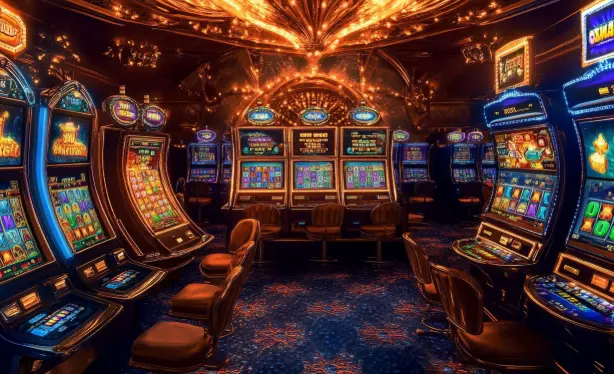
Are Holographic Dealers the Future of Live Casinos?
The live casino sector stands at a technological crossroads. While traditional brick-and-mortar establishments rely on human dealers streaming via HD cameras, a paradigm shift is occurring behind the scenes. Holographic dealers are no longer a sci-fi fantasy; they represent a tangible evolution in remote gaming technology. This innovation promises to merge the tactile authenticity of a physical casino floor with the limitless scalability of digital platforms. 🎰
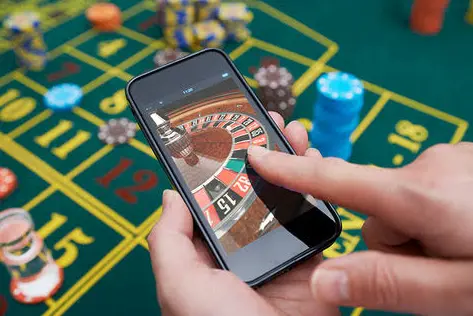
The Mechanics Behind Projection-Based Dealership
Unlike standard live streaming, which merely broadcasts a video feed, holographic systems utilize advanced projection mapping and augmented reality (AR). High-latency issues are eradicated through edge computing, allowing a single dealer to operate multiple tables simultaneously via holographic telepresence. This reduces operational overhead significantly for operators while maintaining a 24/7 service model. The holographic dealers interact with physical cards and chips, but their image is beamed directly to the player's interface, creating an immersive, three-dimensional illusion of proximity.
Enhancing Player Trust Through Hybrid Random Number Generation
The critical barrier to entry for any digital gambling product is trust. Skeptics often question the fairness of pure RNG (Random Number Generation) games. Holographic dealers bridge this gap by offering a visual audit trail. Players witness the shuffle and the deal in real-time, albeit through a digital lens. This transparency is crucial for maintaining high retention rates among high-rollers who demand verification of game integrity. The fusion of physical randomization with digital delivery satisfies regulatory compliance standards in stringent jurisdictions like the UK and Malta. 🃏

Operational Efficiency and Multitasking Capabilities
From a B2B perspective, the economic advantages are staggering. A single human dealer can project themselves onto five different blackjack tables across various time zones. This eliminates the logistical nightmare of staffing shortages and shift management. Furthermore, the technology allows for dynamic localization—a dealer can instantly switch languages or attire to cater to specific regional demographics. This adaptability is not just a gimmick; it is a strategic asset in the competitive landscape of online gambling.
Challenges in Latency and Haptic Feedback
However, the technology is not without its hurdles. Current infrastructure requires immense bandwidth to render high-fidelity holograms without buffering. Additionally, the lack of haptic feedback—the sense of touch—remains a psychological barrier for some players. While visual fidelity is approaching photorealism, the tactile sensation of chips and cards is absent. Developers are currently experimenting with ultrasonic haptic arrays to simulate touch, but commercial viability at scale remains unproven.
Regulatory Landscape and Future Projections
Regulatory bodies are scrutinizing this technology closely. The primary concern is the potential for manipulation of the holographic feed itself. To counter this, blockchain-based verification is being integrated to ensure the immutability of the game data stream. As we look toward the next decade, the convergence of 5G connectivity and holographic projection will likely make this a standard offering. The holographic dealers concept challenges the very definition of a live casino, pushing it from a passive viewing experience into an interactive virtual environment. 🚀
The industry is moving toward a model where the physical and digital realms are indistinguishable. Early adopters of this projection technology are already reporting a 30% increase in player session times compared to traditional live streams. As the cost of projection hardware decreases, the barrier to entry will lower, democratizing access for smaller operators. The evolution is not a matter of if, but when the green felt tables become entirely virtual yet visually and interactively authentic.